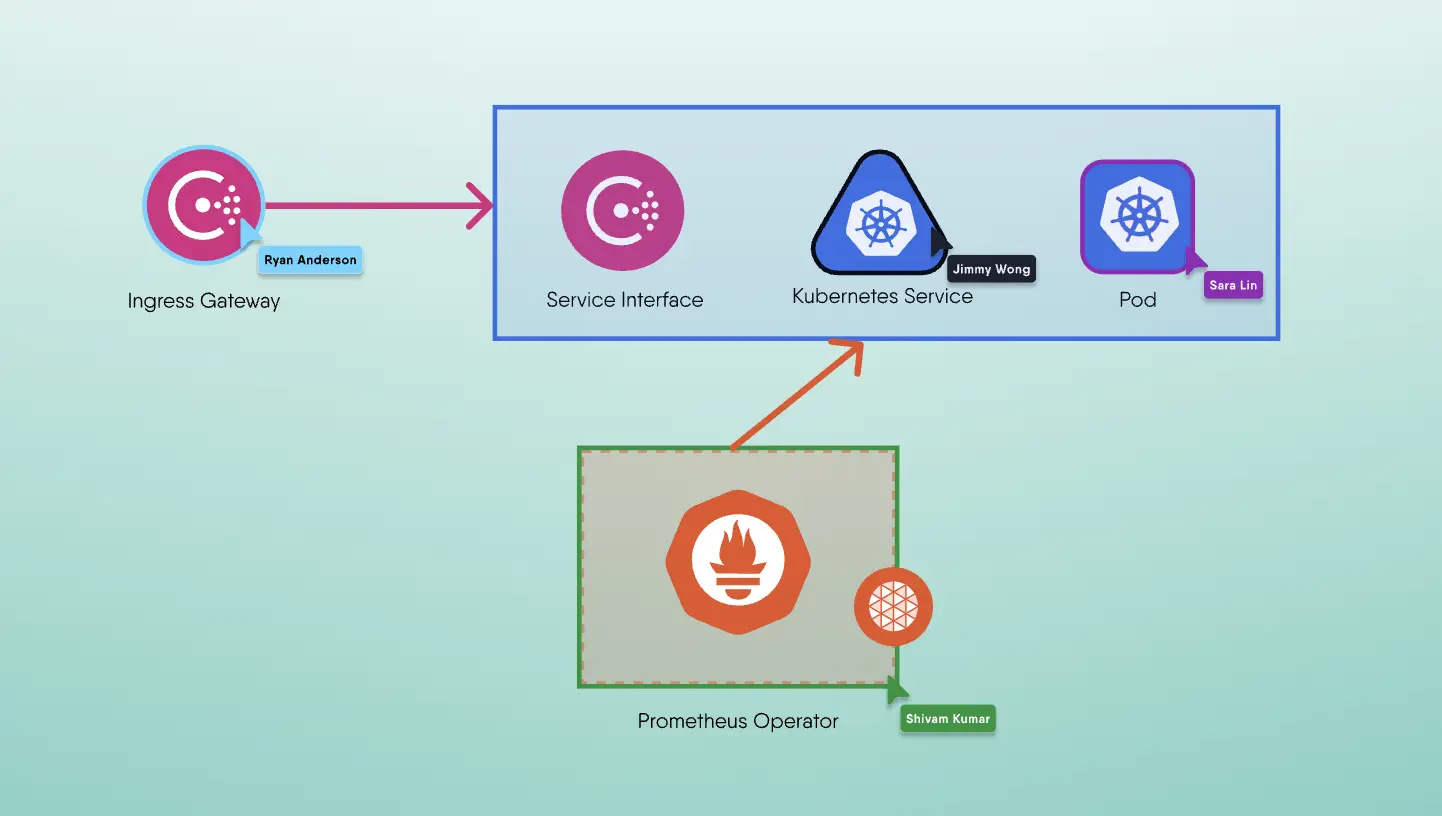



We're pleased to announce the release of Meshery 0.5.0!
Consisting of several significant architectural enhancements — with eight new capabilities entering alpha — Meshery v0.5.0 delivers an impressive amount of functionality.
Previewed in the Using Istio workshop delivered at the
inaugural IstioCon 2021, Meshery v0.5.0 lays a strong foundational architecture for cloud-native application and service mesh management.
Feature Highlights
- New GraphQL API
- Meshery Operator with MeshSync inside
- Meshery Adapter for Traefik Mesh (beta)
- MeshKit and the Meshery Adapter Library
- Meshery Adapter for NGINX Service Mesh (alpha)
- Meshery Remote Provider extensions with dynamic injection
- New Meshery CLI commands to manage multiple Meshery deployments

Thank you to the wonderful Layer5 community of open source contributors for making this significant release possible.
New Service Mesh Support
2 new Meshery service mesh adapters are bundled in this release:
The Meshery Adapter for Traefik Mesh and the Meshery Adapter for NGINX Service Mesh.
Meshery Adapter for Traefik Mesh (beta)

Traefik Mesh is a lightweight, non-invasive service mesh offering visibility and traffic management inside Kubernetes clusters.
Meshery supports the lifecycle and performance management of Traefik Mesh, including multiple versions and bundled operations for Book Info and HttpBin sample applications.
Review the
sample application guides
and learn more about the beta adapter for
Traefik Mesh.
Meshery Adapter for NGINX Service Mesh (alpha)

NGINX Service Mesh (NSM) is powered by NGINX Plus and provides lightweight traffic management in Kubernetes.
Meshery supports NSM lifecycle and performance management with bundled sample applications:
- Book Info
- HTTPBin
- Emojivoto
Learn more in the
sample application guides
and review the
NGINX Service Mesh adapter.
Integrating with Meshery: Using Extension Points
Meshery is an extensible cloud-native management platform offering a variety of extension points that let integrators augment or modify its behavior.

Types of Extension Points
- Extensible Service Mesh Adapters — bring your own service mesh
- Extensible APIs — plug in custom GraphQL resolvers
- Extensible Load Generators — or bring your own
- Extensible Providers — dynamic injection of remote extensions
Providers (local and remote) support:
- Pluggable UI
- Pluggable backend
- Custom authN/authZ
- Long-term persistence
- Enhanced visualization
- Historical reporting
Explore Meshery extensibility at:
docs.meshery.io/extensibility
MeshKit and Meshery Adapter Library
MeshKit provides common models, abstractions, error handling, and utilities for Meshery and its components.
Meshery Adapter Library
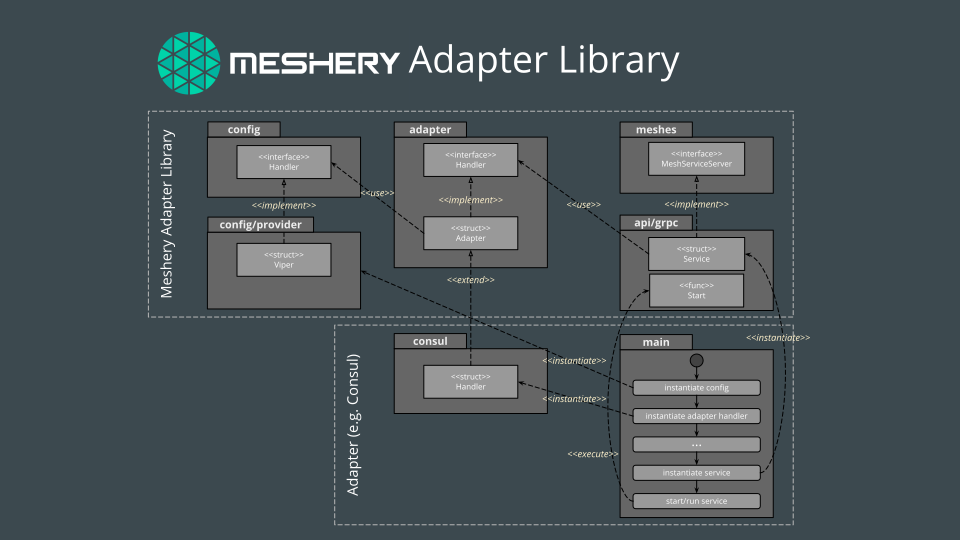
- Supplies common interfaces and default implementations
- Includes a mini-framework for building gRPC adapter servers
- Uses Viper-based configuration providers, which users may override
Read
Michael Gfeller's intro post:
Introducing MeshKit and the Meshery Adapter Library
Meshery Operator

Meshery Operator is a Kubernetes-native controller providing cluster discovery, service catalog discovery, and NATS-based data streaming.
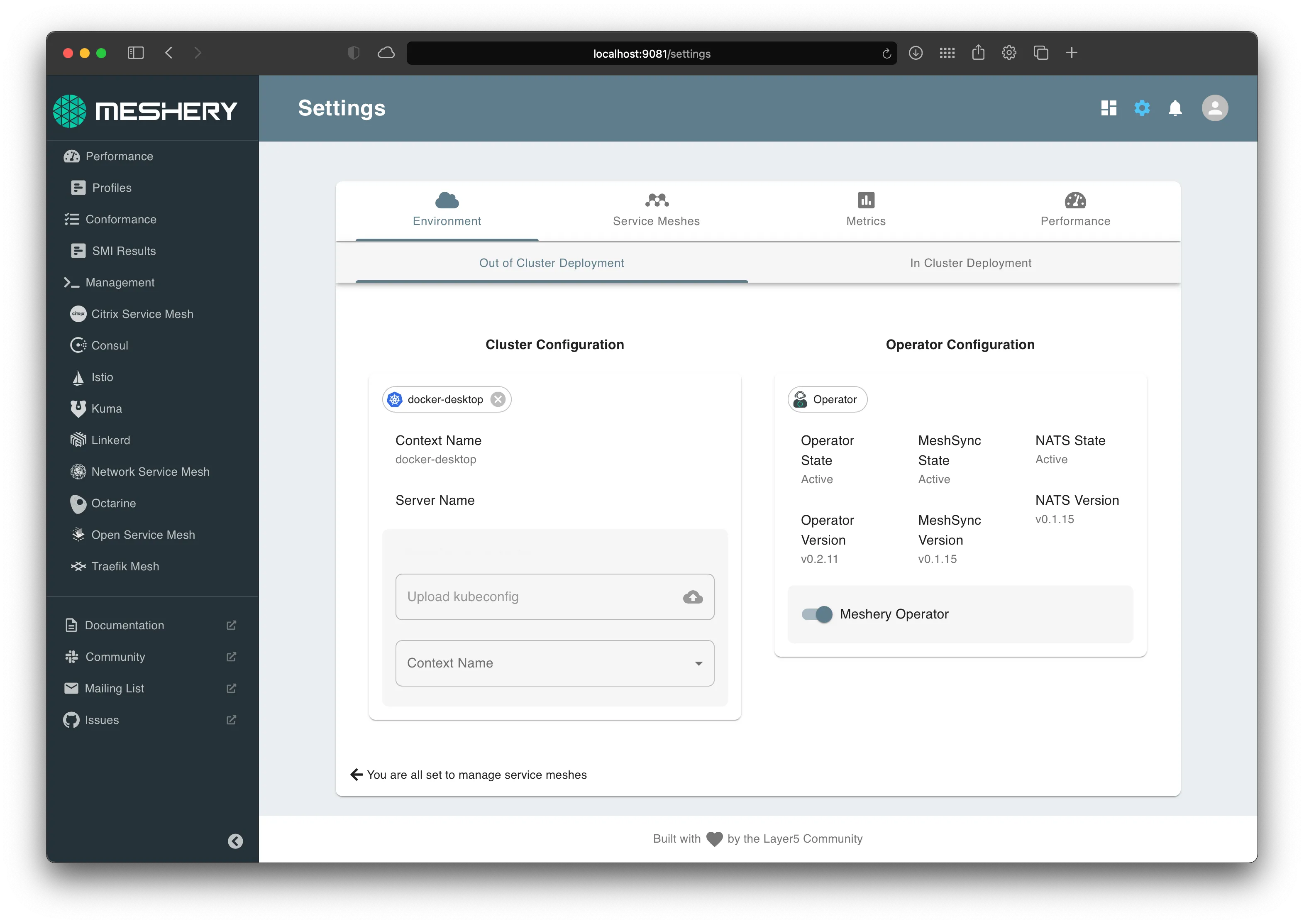
- Defines the MeshSync and Meshery Broker (NATS) custom resources
- Provides cluster discovery and service catalog synchronization
- Streams data throughout Meshery's components
MeshSync

MeshSync is the heartbeat of Meshery
, synchronizing cluster and cloud state.
- Enables cloud-agnostic object modeling
- Detects existing services and workloads and maintains an in-memory snapshot
- Improves resilience across Meshery operations
Relational Database
Meshery’s
relational database
stores MeshSync data, preferences, and system settings. It serves as an ephemeral cache.

Learn more or contribute at
github.com/layer5io/meshsync.
GraphQL Support
Meshery now exposes GraphQL between the UI and Meshery Server, enabling clients to request exactly the data they need. Extension points allow custom resolvers and schema additions.
Meshery CLI Enhancements
The beloved mesheryctl introduces:
context— manage multiple Meshery deploymentschannel— subscribe deployments to stable or edge release channels
Managing Multiple Deployments
Meshery now uses a meshconfig file describing multiple contexts across Docker hosts and Kubernetes clusters. Use:
mesheryctl system context
to switch deployments instantly.
Subscribing to Release Channels
mesheryctl system channel lets you choose the release channel for each deployment, enable or disable auto-updates, or pin versions manually.
Review all commands at the
mesheryctl Command Reference.
On to v0.6.0
Review the full list of enhancements in the
Meshery Documentation.
Planning for v0.6.0 is complete, and the community's innovation cycle shows no sign of slowing down.
See the
Meshery roadmap.
If these topics excite you, come say “Hi” in the community Slack — you’ll be warmly welcomed. 😀